Back to School Lunch Ideas Healthy Lunchbox Essentials & Easy Recipes
The school lunch rush has a way of making even a full fridge feel useless. The bell is coming, the backpack is half-packed, and someone suddenly decides they no longer like turkey sandwiches. Use the links below to find all your back to school lunch needs.
A good lunchbox plan does not need to be fancy. It needs to be easy to repeat, flexible enough for picky days, and balanced enough to help kids stay fueled through class, recess, sports, and the ride home.
The best back-to-school lunch routine starts with a few reliable essentials, a short list of kid-friendly recipes, and some prep work that keeps mornings calm.
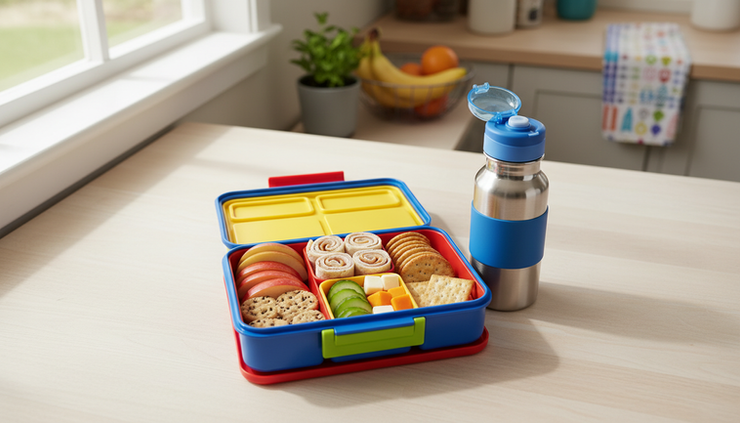
Start with the lunchbox essentials that make packing easier
A lunchbox works best when it has a simple formula. Aim for a mix of protein, whole grains or starchy foods, fruit, vegetables, and something fun. That combination gives kids variety without turning lunch prep into a daily puzzle.
Choose containers that fit the way kids eat
Bento-style lunchboxes are popular for a reason. Separate compartments keep foods from touching, help with portions, and make the meal look more inviting. For younger kids, compartments can also make lunch feel less overwhelming.
Useful lunch containers include:
A divided lunchbox
Best for kids who like small portions of several foods.
A small insulated thermos
Great for soup, pasta, chicken nuggets, pizza rolls, or warm leftovers.
Leakproof dip cups
Handy for hummus, yogurt dip, guacamole, ranch, salsa, or nut-free spreads.
Reusable snack bags
Good for pretzels, crackers, trail mix, dry cereal, or granola bites.
Small ice packs
Important for lunches with meat, dairy, eggs, yogurt, or cut fruit.
A water bottle that actually closes well
The best one is easy to open, easy to clean, and leak-resistant such as Owala Water Bottels.
Label everything. Lunch gear gets left in classrooms, buses, and playgrounds. A name label can save a favorite water bottle from disappearing for good.
Build lunch around five simple parts
Use this mix-and-match guide when the fridge feels random.
Lunchbox part | Easy options |
Protein | Turkey roll-ups, grilled chicken, hard-boiled eggs, hummus, beans, tuna salad, cheese, Greek yogurt |
Grain or starch | Whole wheat pita, brown rice, pasta, tortillas, crackers, mini bagels, potatoes |
Fruit | Apple slices, grapes, berries, oranges, melon, banana, peaches |
Vegetables | Cucumbers, carrots, snap peas, bell peppers, cherry tomatoes, edamame |
Fun bite | Mini muffin, dark chocolate chips, yogurt-covered raisins, homemade cookie |
The fun bite matters. A small treat can make lunch feel complete and reduce the pressure to make every item look exciting.
Pack creative healthy lunches kids will actually eat
Healthy school lunches do not have to mean plain sandwiches and carrot sticks every day. Kids often respond better to familiar foods in new shapes, small pieces, or build-your-own formats.
Here are easy lunch ideas that travel well and do not need a long ingredient list.
Turkey and cheese pinwheel box
Spread cream cheese or hummus on a whole wheat tortilla. Add turkey, cheese, and a few spinach leaves if your child likes them. Roll tightly, then slice into pinwheels.
Pack with:
Grapes or apple slices
Cucumber coins
Pretzels or whole grain crackers
A small dip cup of ranch or hummus
This feels more fun than a sandwich, but it uses the same basic ingredients.
Mini pita pizza pockets
Fill mini whole wheat pitas with mozzarella, turkey pepperoni, bell pepper pieces, and a spoonful of pizza sauce. Serve cold or slightly warm, depending on preference.
Pack with:
Orange wedges
Sugar snap peas
A yogurt cup
A small napkin, because pizza sauce has plans of its own
For kids who like pizza but resist vegetables, finely chopped peppers or spinach can be easier to accept inside the pita.
DIY taco lunchbox
A build-your-own lunch turns eating into an activity. Pack small portions of seasoned ground turkey, shredded chicken, beans, or tofu with mini tortillas or tortilla chips.
Add:
Shredded cheese
Corn
Lettuce
Salsa in a leakproof cup
Avocado or guacamole if it will be eaten soon
If guacamole tends to brown, skip it or pack avocado slices with a little lemon juice.

Breakfast-for-lunch box
Breakfast foods are often lunchbox winners. Try whole grain mini waffles, egg muffins, fruit, and yogurt.
Good combinations include:
Mini waffles with sunflower seed butter
Egg muffins with cheese and spinach
Greek yogurt with berries
Turkey sausage pieces
Banana slices
Pack syrup only if the container seals tightly. A tiny cup of yogurt or fruit spread can feel just as special with less mess.
Pasta salad with hidden flexibility
Cook small pasta shapes, then toss with olive oil, a mild dressing, or a little pesto. Add protein and vegetables based on what your child eats.
Mix-ins that work well:
Diced chicken
Mozzarella pearls
Chickpeas
Cucumbers
Peas
Cherry tomatoes
Bell peppers
Pasta salad is forgiving. Make a big batch, then change the add-ins across the week so it does not feel like the same lunch every day.
Snack board lunch
Some kids eat better when lunch looks like snacks. That can still be balanced.
Try packing:
Cheese cubes or hummus
Whole grain crackers
Turkey slices or roasted chickpeas
Strawberries or apple slices
Carrot sticks or cucumbers
A mini muffin or popcorn
For younger kids, cut round foods like grapes and cherry tomatoes lengthwise to reduce choking risk.
Use smart prep to save time on school mornings
The best lunch routine happens before the morning rush. Even 20 minutes of prep can make the week easier.
Prep ingredients, not full lunches
Fully packed lunches can get soggy by Wednesday. Instead, prep the parts.
On Sunday or another calm day, try this:
Wash and cut sturdy fruits and vegetables
Cook pasta, rice, eggs, or chicken
Portion crackers, pretzels, or popcorn
Mix tuna salad, chicken salad, or bean salad
Make a batch of muffins, energy bites, or egg cups
Fill water bottles and chill them overnight
Keep a “lunch bin” in the fridge with grab-and-go items. Use another bin in the pantry for shelf-stable snacks. When everything has a place, packing feels lighter.
Use leftovers on purpose
Dinner leftovers can become some of the easiest lunches.
Turn last night’s food into:
Dinner leftover | Next-day lunch idea |
Grilled chicken | Chicken pita, rice bowl, pasta salad |
Meatballs | Mini meatball sub or thermos pasta |
Taco meat or beans | Taco box, quesadilla, nacho-style lunch |
Roasted vegetables | Grain bowl or hummus wrap |
Rice | Fried rice, burrito bowl, rice balls |
A thermos expands your options. Warm it first by filling it with hot water for a few minutes. Empty it, add hot food, and close it tightly. This helps food stay warm until lunchtime.
Make freezer-friendly lunch helpers
A stocked freezer can rescue a rough week. Freeze items in single portions so they are easy to grab.
Good freezer options include:
Banana muffins
Zucchini muffins
Pancakes or waffles
Bean and cheese burritos
Egg bites
Meatballs
Mini quesadillas
Cooked rice portions
Let frozen baked goods thaw in the lunchbox by midday. For warm foods, reheat before packing in a thermos.
Create a weekly lunch rhythm
A simple rhythm reduces decision fatigue. It also helps kids know what to expect.
Example weekly plan:
Day | Lunch idea |
Monday | Wraps or pinwheels |
Tuesday | Thermos leftovers |
Wednesday | Snack board lunch |
Thursday | Pasta salad or grain bowl |
Friday | Kid’s choice from approved options |
This does not need to be strict. Think of it as a backup plan for days when no one wants to think.

Get kids involved without making it harder
Kids are more likely to eat a lunch they helped choose. The trick is giving structured choices, not an open-ended question five minutes before leaving.
Instead of asking, “What do you want for lunch?” try:
“Do you want a wrap or pasta tomorrow?”
“Pick one fruit and one crunchy snack.”
“Do you want hummus or yogurt dip?”
“Choose a small treat for Friday.”
Use a lunchbox choice chart
Make a simple list of approved options and keep it on the fridge. Divide it into categories like protein, fruit, veggie, grain, and snack. Kids can pick one from each group.
This gives them control while keeping the lunch balanced.
Sample chart:
Category | Choices |
Protein | Cheese, chicken, hummus, yogurt, egg, beans |
Fruit | Apple, grapes, berries, orange, banana |
Vegetable | Carrots, cucumber, peppers, snap peas |
Grain | Crackers, pita, tortilla, pasta, rice |
Snack | Popcorn, muffin, pretzels, granola bite |
For younger kids, use pictures or stickers. For older kids, let them write their choices on a small weekly lunch plan.
Give kids age-friendly jobs
Even preschoolers can help with simple tasks. Older kids can pack much of their lunch alone with a little guidance.
Good jobs by skill level include:
Washing fruit
Putting crackers into snack bags
Choosing a fruit and vegetable
Stirring pasta salad
Rolling tortillas
Filling water bottles
Packing napkins and utensils
Checking that the lunchbox comes home empty of trash
The goal is progress, not perfection. A child-packed lunch may look less polished, but it builds independence.
Keep a “try it” space small
New foods can feel risky at school. Kids may avoid them because lunch periods are short, noisy, or social. If you want to introduce something new, pack a tiny amount next to familiar favorites.
A few bites of edamame beside crackers and cheese feels safer than a full container of something unfamiliar.
Keep lunches safe, simple, and school-friendly
A healthy lunch also needs to hold up until noon. Food safety and school rules matter, especially when lunches include meat, dairy, eggs, or leftovers.
Use these basics:
Keep cold foods cold with an ice pack.
Use an insulated thermos for hot foods.
Pack dips and sauces in leakproof containers.
Check school allergy policies before sending nuts or nut butters.
Wash lunchboxes often, especially fabric ones.
Teach kids to throw away perishable leftovers unless an adult says otherwise.
If your school is nut-free, try sunflower seed butter, hummus, cream cheese, guacamole, or bean dips. Always read labels if allergies are a concern.
For younger kids, think about ease. Can they open the container? Can they peel the orange? Can they manage the yogurt tube without help? A nutritious lunch only works if a child can eat it during a short lunch period.
Keep a list of no-stress lunch combinations
When the week gets busy, a list of easy combinations can save the day. Tape it inside a cabinet or add it to your phone.
Try these reliable pairings:
Hummus, pita triangles, cucumbers, strawberries, and popcorn
Turkey pinwheels, grapes, carrots, and a mini muffin
Cheese cubes, crackers, apple slices, snap peas, and yogurt
Chicken rice bowl, pineapple, edamame, and a cookie
Pasta salad, orange wedges, cucumbers, and pretzels
Egg muffins, mini waffles, berries, and yogurt dip
Bean and cheese burrito, salsa, corn, and melon
Sunflower seed butter sandwich, banana, carrots, and trail mix without nuts
Repeat favorites often. Kids do not need a brand-new lunch every day. A few dependable meals can carry the whole school year.

Make lunch feel doable all year
Back-to-school lunch success comes from having a plan that bends. Stock the right containers, keep a short list of must-have foods, prep a few ingredients ahead, and let kids make small choices. That is enough to make mornings calmer and lunches more likely to come home eaten.
Start with one change this week. Set up a lunch bin, make a batch of muffins, or ask each child to choose two fruits and two lunch mains for the week. Small systems are the ones families actually keep.


Comments